

Now With Extra Korea and a Side of Brazil
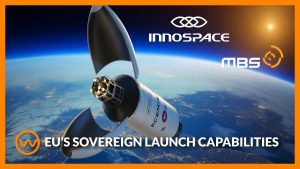
INNOSPACE, the scrappy South Korean launch startup with a fetish for hybrid engines, has inked a $5.8 million multi-launch deal with Germany’s Media Broadcast Satellite GmbH (MBS), the sort of company that brands itself with phrases like “combat-proven expertise” to remind you they’re not just another satellite signal wrangler. The deal gives MBS two shots aboard HANBIT rockets (one in 2026, the other by 2028) and, more revealingly, exclusive rights to hawk HANBIT launch services in Germany. Apparently, nothing says “sovereign launch capability” quite like outsourcing it to a company headquartered on the other side of Eurasia.
The official language is predictably cloying. Phrases like “deep trust,” “mutual growth,” and “customer-tailored solutions” are lobbed around like they still carry weight. MBS is thrilled to access “agile development” and “responsive space,” which are now obligatory buzzwords for anyone hoping to stay in the good graces of EU defense procurement.
The subtle point of pride? The HANBIT payloads will be primary, meaning MBS gets to play first fiddle on those launches, a status symbol in an industry where rideshare usually means getting squashed between someone else’s cubesat and a half-empty fuel tank.
What’s artfully avoided is more telling. No mention of where these HANBIT rockets will launch from, which is curious considering INNOSPACE’s go-to pad is in Brazil. Nothing says “European launch sovereignty” like flying your payloads out of South America. Also absent: payload mass specifics, insertion parameters, or whether any German regulators have even signed off on this party trick. You’d think someone might ask what kind of orbits we’re buying before making a continent-spanning exclusive sales pact.
MBS, for its part, is trying to morph from a satellite service provider into a full-spectrum launch broker, likely a hedge against declining margins in commoditized ground ops. If they pull it off, they get to charge a markup on every HANBIT slot they resell into Germany’s increasingly fragmented satellite market. If they don’t, they get to explain why they inked exclusivity with a company whose flagship rocket hasn’t flown a commercial payload yet.
The deal is small potatoes in dollar terms ($5.8 million doesn’t buy you much lift) but its timing is impeccable. Europe’s space ambitions are neck-deep in post-Ariane anxiety and desperate for alternatives to the usual bureaucratic slogs. INNOSPACE, with its garage-built swagger and hybrid engines, offers just enough differentiation to look like a gamble worth taking. And MBS, always eager to look indispensable to defense clients, gets to wave around a launch deal like it’s a ticket to strategic relevance.
The real question is whether HANBIT ever launches anything heavier than PR. INNOSPACE has completed ground tests, sure, but the vacuum between test stand and orbit is filled with delay, insurance, and failure. If they make their 2026 slot, MBS can call it prescient. If not, it’s just another small launcher trying to punch above its payload class.
Either way, Europe’s idea of “sovereignty” now comes with a Korean accent and a boarding pass to Brazil.
Obrigado